What Is an Excellent Score for Credit When Buying a Car Without Any Down Payment?
Posted Tuesday, Oct 07, 2025
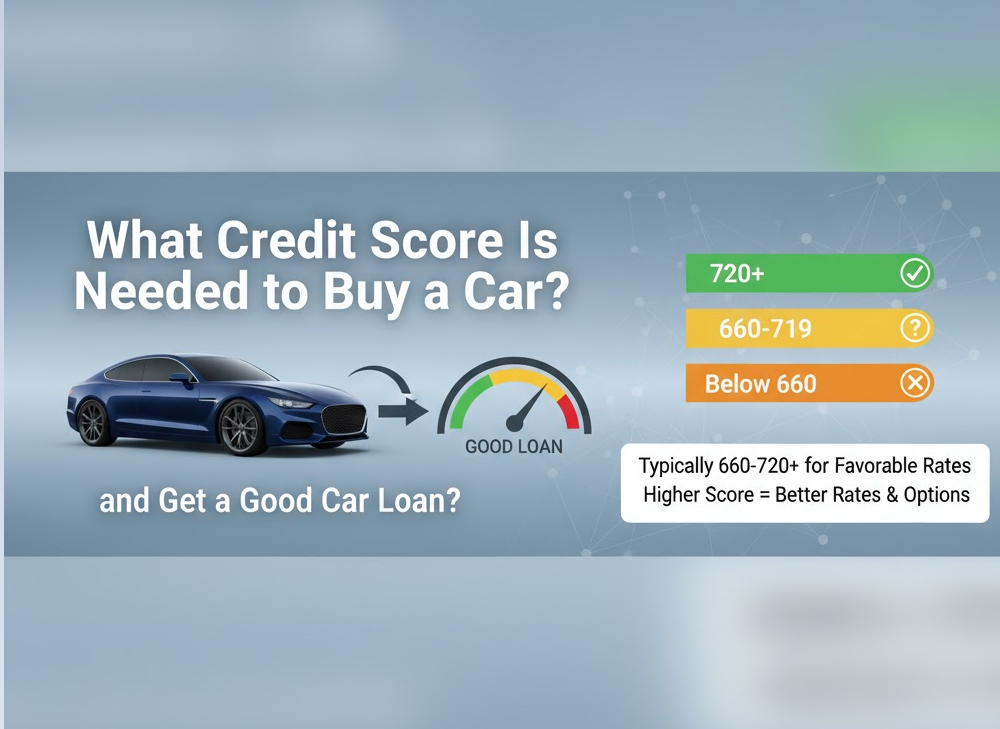
Understanding the credit score needed to buy a car is crucial, especially when you want to secure a vehicle without making a down payment. A good credit score can significantly influence your financing options, interest rates, and overall car-buying experience. This article will guide you through the ins and outs of credit scores in relation to purchasing a car, particularly in the context of no down payment financing.
What Is a Good Credit Score to Buy a Car?
A good credit score typically falls within the range of 700 to 749. If your score is within this range, you are likely to qualify for better loan terms, which can result in lower monthly payments and overall interest costs. Lenders often view this score as an indication of responsible credit management and a low risk for default.
However, even if your score is lower than 700, you may still be able to buy a car. Scores between 650 and 699 are considered average, while scores below 650 may fall into the low credit or bad credit categories. Understanding where your score lies can help you set realistic expectations for your car financing options.
How Does Your Credit Score Affect Car Financing?
Your credit score directly impacts the financing options available to you when you need to buy a car. Lenders assess your credit history and score to determine the interest rates and loan terms they will offer. A higher credit score can lead to lower interest rates, which can save you thousands over the life of the loan.
On the other hand, if your credit score is low, you may face higher interest rates or even be denied a loan altogether. This is why it’s essential to check your credit report and understand the factors affecting your score before applying for an auto loan.
What Is the Minimum Credit Score Required to Buy a Car?
The minimum credit score required to buy a car typically hovers around 600, although this can vary depending on the lender and the specific loan terms. Scores below this threshold may complicate your ability to secure financing, especially if you are looking to purchase a car with no money down.
It is essential to note that even with a minimum credit score, lenders may require a co-signer or impose stricter loan terms. This means that understanding your credit profile and taking steps to improve your credit score can be beneficial.
Can You Buy a Car with Bad Credit?
When considering a car purchase with bad credit, it’s crucial to review your credit report for any discrepancies that could be hurting your score. Additionally, exploring options such as credit unions or local banks may provide better loan opportunities than traditional lenders.
What Is the Score Needed to Finance a Car with No Down Payment?
To finance a car without making a down payment, a credit score of 700 or higher is typically required. This score indicates strong credit management and a history of timely payments, which makes you a more attractive candidate for lenders.
However, if your score is below this level, some lenders may still offer financing options but may require a higher interest rate or additional fees. It’s always beneficial to shop around and compare offers from different lenders to find the best deal.
How to Improve Your Credit Score Before Buying a Car?
Improving your credit score before applying for a car loan can significantly enhance your financing options. Here are some effective strategies:
- Review your credit report for mistakes and challenge any inaccuracies
- Pay down existing credit card balances to reduce your credit utilization ratio.
- Make all future payments on time to build a positive payment history.
- Avoid opening new credit accounts before applying for a loan.
Implementing these strategies can help you achieve a better credit score, making it easier to secure favorable loan terms when you need to buy a car.
What Should You Know About Auto Loan Interest Rates by Credit Score?
Auto loan interest rates vary significantly based on your credit score. Typically, borrowers with excellent credit scores (750 and above) enjoy the lowest interest rates, often starting at 3% or lower. In contrast, those with lower credit scores may face rates exceeding 10% or even higher.
It's crucial to understand that interest rates can fluctuate based on economic conditions, so keeping an eye on market trends can help you time your car purchase for the best possible rate.
What are the Benefits of Securing a Car Loan Through a Credit Union?
Credit unions often provide more competitive loan terms compared to traditional banks. Some benefits include:
- Lower interest rates for members.
- More personalized customer service.
- Flexible loan terms that can accommodate various credit profiles.
Members of a credit union can often find better financing options, especially if they have a lower credit score. If you’re looking to finance a car, it’s worth exploring your local credit union.
How to Apply for an Auto Loan with Bad Credit?
Applying for an auto loan with bad credit may seem daunting, but it’s manageable with the right approach. Here are steps to consider:
- Review your credit report and rectify any errors.
- Gather necessary documents, such as proof of income and employment.
- Research lenders that specialize in loans for individuals with low credit scores.
- Consider getting a co-signer to improve your chances of approval.
- Apply for pre-approval to understand your financing options better.
This process can help you navigate the challenges of securing a car loan with bad credit.
What is the Importance of Reviewing Your Credit Report?
Regularly reviewing your credit report is essential for maintaining a healthy credit score. It allows you to identify any inaccuracies that could negatively impact your score and provides insight into your credit utilization and payment history.
By checking your credit report before applying for a car loan, you can address any issues that might hurt your chances of approval. Monitoring your credit can also motivate you to implement strategies to improve your score.
5 Surprising Facts About Buying a Car Without Any Down Payment
- Many lenders are willing to finance a car without a down payment, but they may charge higher interest rates due to increased risk.
- Not having a down payment can limit your choices, as some dealerships prefer buyers who can make an initial payment.
- While you can buy a car without a down payment, it may result in owing more than the car's value if its depreciation is significant.
- Some manufacturers offer special financing deals that allow buyers to purchase vehicles without a down payment, especially for new cars.
- Maintaining a strong credit score is crucial when buying a car without a down payment, as it can help secure better loan terms and interest rates.
What Are the Key Takeaways for Buying a Car with No Down Payment?
- A good credit score is typically 700 or higher, while a score above 600 may still allow you to finance a car.
- Your credit score affects the interest rates and loan terms you can secure.
- Consider improving your credit score before applying for a car loan to access better financing options.
- Credit unions and specialized lenders may offer more favorable terms for those with bad credit.
- Regularly review your credit report to ensure accuracy and understand your credit profile.
In conclusion, understanding the credit score needed to buy a car, especially without a down payment, is crucial for making informed financial decisions. Whether you have prime credit or are dealing with lower scores, knowing your options can help you secure the best financing available. If you're in Ontario, CA, and looking for a reliable used car dealer, consider visiting Fiesta Motor Ontario. They offer a range of vehicles and can assist you in navigating your credit options to get the car you need.